By Steven Reid · Last updated on August 23rd, 2026
A frozen boiler condensate pipe can stop your heating and hot water when you need them most. The good news is that you can usually thaw it safely yourself without calling an engineer.
I have been a full-time heating engineer for over 15 years and dealt with many frozen condensate pipes. Here I’ll show you how to find the frozen section, thaw it safely and get your boiler working again.
Frozen boiler condensate pipe symptoms
The most obvious sign of a frozen condensate pipe is your boiler stopping during freezing weather. It may lock out because the wastewater cannot drain away.
Other common symptoms include:
- No heating or hot water
- A fault code showing on the boiler
- Gurgling or bubbling noises
- Water backing up inside the condensate pipe
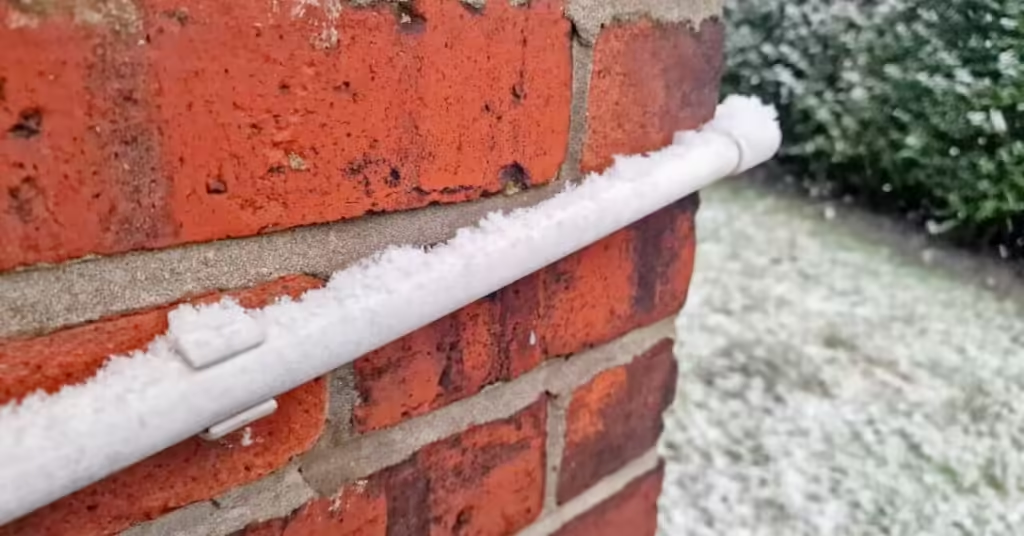
- Frost or ice around the external pipe
- Ice blocking the end above the drain
Fault codes vary between boiler manufacturers and can indicate several different problems, so freezing weather and an external condensate pipe are important clues.
If the temperature is above freezing, the pipe could be blocked rather than frozen.
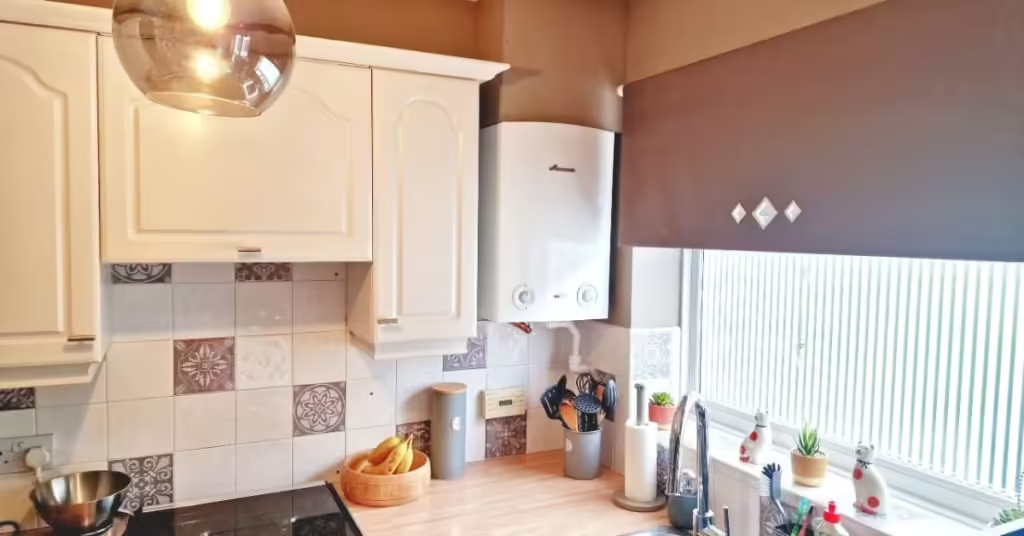
Where is the boiler condensate pipe?
Where is the boiler condensate pipe?
The condensate pipe is a plastic pipe that carries wastewater away from the boiler. A condensing boiler can produce around two litres of condensate per hour while operating.
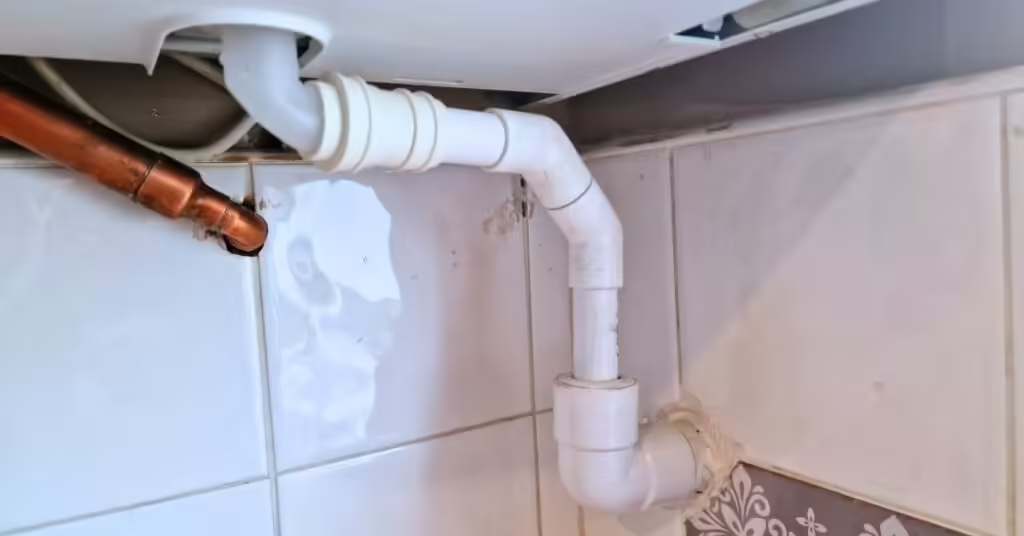
The pipe normally leaves the bottom of the boiler and connects to a waste pipe, soil pipe, drain or soakaway.
Inside the property, it usually measures approximately 21.5 mm or 22 mm. If it passes through an external wall, it should normally increase to 32 mm waste pipe.
To find it:
- Look underneath the boiler for a plastic pipe.
- Follow it until it connects to the drainage system.
- Check whether any part passes through an outside wall.
Some condensate pipes discharge entirely inside the property. These are unlikely to freeze unless they run through an unheated loft, garage or basement.
How to find the frozen part of the pipe
A condensate pipe normally freezes at its most exposed point. This is often the open end above a drain, around a bend or along a horizontal section where water has collected.
Start at the end of the external pipe and work back towards the wall. Look for:
- Frost or ice around the pipe
- A bulge in the plastic
- A section that feels colder than the rest
- Ice blocking the open end
- Water trapped behind a bend or dip
If the pipe is insulated, carefully check beneath any loose or damaged sections. The blockage may extend further than it first appears, so check the entire external run.
Do not climb a ladder or reach from a window to inspect inaccessible pipework. Call a heating engineer if you cannot reach it safely.
How to thaw a frozen condensate pipe
The safest way to thaw a frozen condensate pipe is to warm it gradually. Start at the open end and work back towards the wall so the melted water can drain away.
- Turn the boiler off using its controls.
- Place a container beneath the pipe if water cannot drain directly into a gully.
- Heat some water in a kettle, but switch it off before it boils or leave it to cool first.
- Pour the warm water slowly over the frozen section.
- Repeat until the ice has melted and water begins leaving the pipe.
- Check the remaining external pipe for any other frozen sections.
- Turn the boiler back on and reset it according to the manufacturer’s instructions.
A hot-water bottle or cloth soaked in warm water can also be held against the pipe if pouring water is difficult.
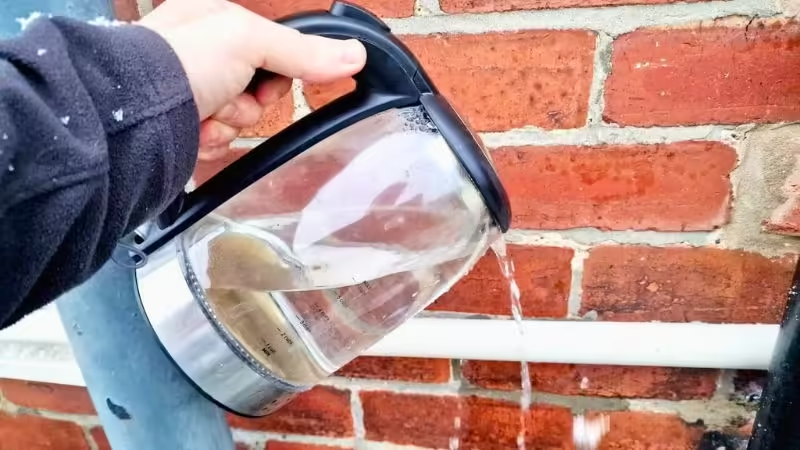
Do not pour freshly boiled water onto the pipe. Sudden heat can crack the plastic or damage its joints. Never use a blow torch, heat gun or naked flame.
Once the blockage has cleared, check around the pipe and underneath the boiler for leaks before restarting it.
Boiler still not working after thawing the pipe?
The boiler may remain locked out after the ice has melted and normally needs resetting before it will fire again. Follow the reset instructions in the boiler manual, as the procedure varies between manufacturers.
If it still does not work:
- Check that water is draining freely from the condensate pipe.
- Look for another frozen section closer to the wall.
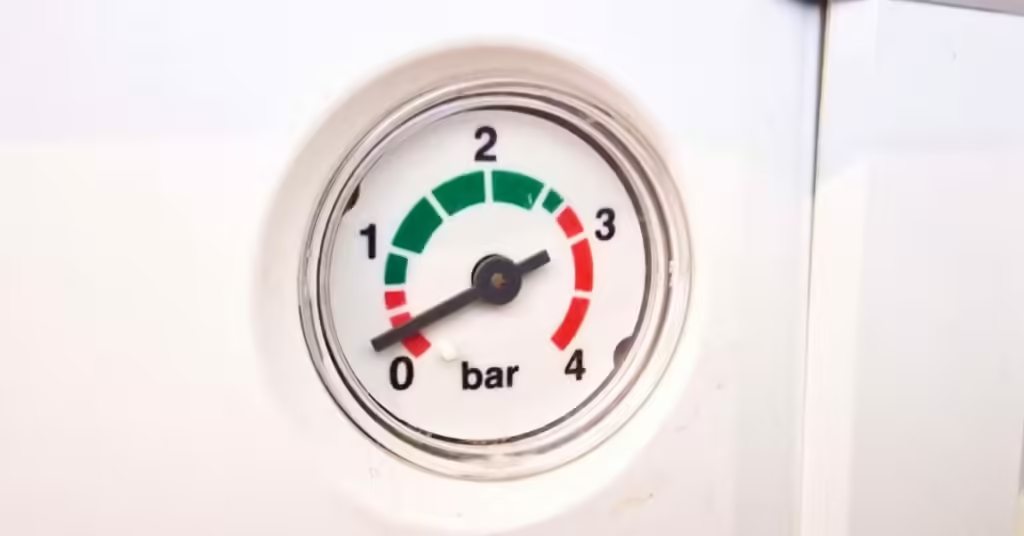
- Check the boiler pressure is approximately 1 to 1.5 bar when cold.
- Turn the thermostat up and make sure the heating is switched on.
- Make a note of any fault code shown on the display.
On some jobs, I have needed to cut out a section of external pipe to remove stubborn ice or release backed-up wastewater. I would not recommend this for most people because water can escape unexpectedly and the pipe must be reconnected correctly with a continuous fall.
Do not repeatedly reset the boiler if the same fault returns. The pipe could still contain ice, the drain may be blocked or there may be an unrelated boiler fault.
See my guide to the most common reasons a boiler will not fire up for further checks. Call a Gas Safe engineer if the boiler remains locked out or water is leaking from it.
How to stop it freezing again
Thawing the pipe gets the boiler working, but it does not fix the reason it froze. If it has happened once, it is likely to happen again during similar weather.
The most effective permanent solutions are:
- Reroute the condensate to an internal waste pipe
- Run the pipe inside for as long as possible
- Increase the external section to 32 mm waste pipe
- Keep the external run short and as vertical as possible
- Maintain a continuous fall with no dips
- Fit suitable weatherproof insulation
- Add trace heating on exposed or repeatedly freezing pipes
- Fit a condensate pump or frost-protection siphon where appropriate
A correctly fitted pipe should fall by approximately 52 mm per metre, allowing the wastewater to leave quickly instead of collecting and freezing.
In my experience, correcting an undersized pipe or poor fall makes more difference than simply adding thicker insulation.
For a complete breakdown of the available options, see my guide on how to stop your boiler condensate pipe freezing.
Did this guide help you thaw your condensate pipe and get your boiler working again? Let me know in the comments below, or leave any questions and I’ll do my best to help. If you found it useful, please share it with someone who might need it during the next cold spell.